







How Technology Transforms Modern Training Programs

Today’s chosen theme: The Role of Technology in Modern Training Programs. Step into a world where learning platforms, AI, and immersive tools turn training into a living, data-informed experience. Stay with us, comment with your experiences, and subscribe for practical insights.

From Chalkboards to Cloud Platforms

Cloud-based learning systems let teams learn anywhere, sync progress instantly, and access updated materials without waiting for the next classroom session. The result is consistency, speed, and equitable access across locations and schedules.

From Chalkboards to Cloud Platforms

Analytics reveal which modules resonate, which assessments confuse, and which skills lag behind. Instead of relying on gut feelings, managers tune curricula using evidence, improving completion rates and real-world job performance measurably.

Personalization Through AI and Adaptive Learning

Adaptive systems build learner profiles from quiz results, behavior patterns, and role requirements. The platform then recommends content that fills real gaps, saving time and sparing learners from unnecessary, demotivating repetition.

Personalization Through AI and Adaptive Learning

As learners demonstrate mastery, the system accelerates, deepens, or branches content. Those struggling receive targeted micro-explanations, while advanced learners tackle stretch challenges, keeping everyone engaged without sacrificing standards or outcomes.

Immersive Learning with VR and AR

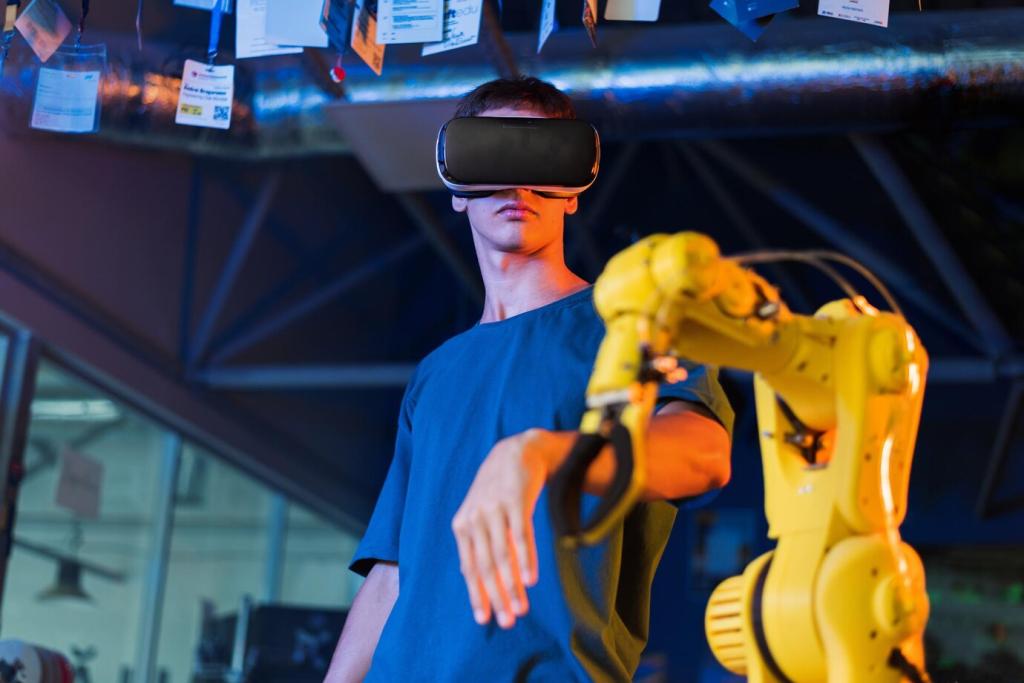
VR scenarios let technicians rehearse hazardous procedures repeatedly before touching equipment. Mistakes become lessons instead of incidents, building muscle memory, situational awareness, and confidence that transfers to the production floor.

Immersive Learning with VR and AR

Role-playing with virtual characters strengthens communication, de-escalation, and leadership. Trainees receive immediate feedback on tone, pacing, and choices, transforming abstract advice into felt experience and repeatable behaviors under pressure.

Mobile Learning and Microlearning in the Flow of Work

Workers reference quick guides on the job, apply steps immediately, and reinforce understanding through tiny, contextual challenges. This just-in-time approach reduces errors and shortens the distance between learning and performing.

Mobile Learning and Microlearning in the Flow of Work

When connections drop, offline modules keep learning uninterrupted. Progress syncs later, preserving continuity for field teams, remote staff, and travelers whose productivity should never hinge on Wi‑Fi strength or signal reliability.

Social Learning and Communities of Practice

Learners form channels around roles, tools, and projects. They swap tips, flag pitfalls, and celebrate wins, creating mentorship networks that outlast any single course and keep expertise flowing organically.

Social Learning and Communities of Practice

Structured rubrics guide thoughtful critiques, while recognition badges celebrate quality contributions. The process normalizes feedback as a gift, simultaneously improving work and strengthening trust across departments and levels.

Measuring Impact with Learning Analytics

Completion rates signal participation, but competency validations show capability. Skills checklists, scenario scores, and on-the-job observations paint a richer picture of readiness and future potential for each learner.

Measuring Impact with Learning Analytics

Clear visuals spotlight bottlenecks, standout modules, and at-risk learners. Leaders compare sites, roles, and cohorts, then adjust resources, coaching, or content with confidence grounded in timely, high-quality evidence.

Implementing Technology Responsibly and Effectively

Co-design with learners, managers, and subject experts produces realistic goals and champions who advocate for adoption. Transparent pilots and open feedback loops reduce surprises and build genuine ownership.

Implementing Technology Responsibly and Effectively

Captioned videos, keyboard navigation, alt text, readable contrast, and flexible pacing welcome every learner. Inclusive design is not a feature; it is foundational to fairness, compliance, and effectiveness.

Implementing Technology Responsibly and Effectively

Protect learner data with strong controls, clear permissions, and minimal collection. Communicate policies plainly, earn consent, and respect boundaries so participation feels safe, responsible, and genuinely learner-centered.
Delucainsurancepa
Privacy Overview

This website uses cookies so that we can provide you with the best user experience possible. Cookie information is stored in your browser and performs functions such as recognising you when you return to our website and helping our team to understand which sections of the website you find most interesting and useful.