
Reimagining Learning: Virtual Reality’s Impact on Educational Strategies
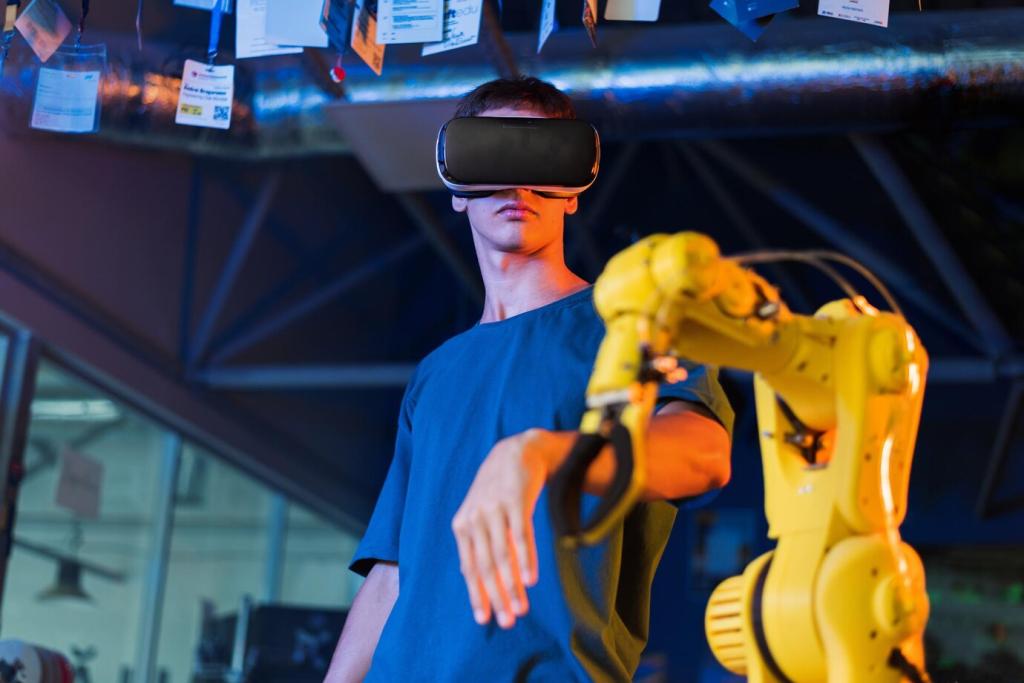
Chosen theme: “Virtual Reality’s Impact on Educational Strategies.” Step into a world where lessons become lived experiences, labs unfold safely in immersive spaces, and curricula evolve to embrace presence, practice, and play. Today we explore how VR reshapes teaching methods, assessment, accessibility, and the everyday rhythm of classrooms—and how you can lead the change.
Why Virtual Reality Is Rewriting Educational Strategies
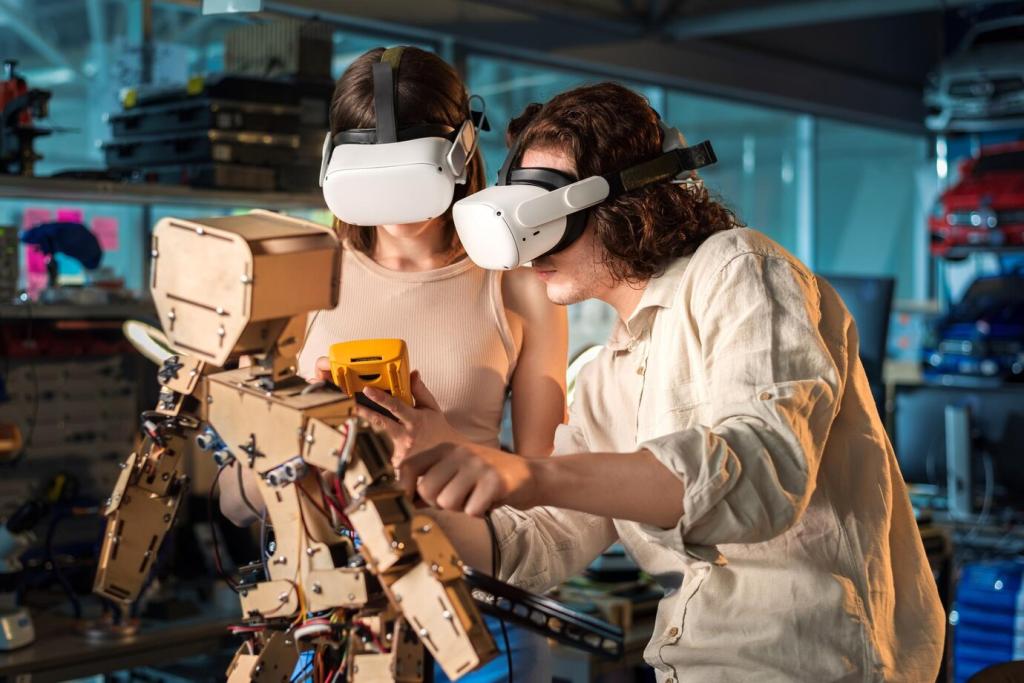
A geography teacher in Nairobi once described students gasping as glaciers towered above them in VR, transforming distant climate data into visceral understanding. When learners feel scale, risk, and consequence, educators can plan lessons around experience first and lecture second.
Learning Objectives That Fit VR
Choose objectives that benefit from embodiment: navigating 3D structures, rehearsing complex procedures, or adopting another perspective. A clear objective like “accurately assemble a circuit under time constraints” guides interaction design, success criteria, and the narrative context that motivates persistence.
Scaffolding and Cognitive Load
VR is vivid—so manage cognitive load. Provide prebrief checklists, chunk tasks into progressive challenges, and include in-world cues that reduce confusion. Short, focused sessions followed by debrief discussion help students consolidate insights and connect immersive activity to core concepts.
Tell Us Your Best Lesson Idea
What lesson would come alive if students could step inside it? Share a quick outline—objective, scene, interaction, and debrief prompt. We’ll feature standout plans in an upcoming post and invite you to a live session to refine them together.
Assessment and Analytics Inside Virtual Worlds
Track exactly how a learner completes a lab protocol: order of steps, accuracy of measurements, and response to simulated hazards. Rubrics can reward strategy, safety, and adaptation under pressure, turning assessment into a practice that is both meaningful and motivating.
Assessment and Analytics Inside Virtual Worlds
VR can log dwell time, gaze patterns, path choices, and collaboration events. Used ethically, these signals uncover misunderstandings earlier. Heatmaps reveal where attention drifts; replay shows where teams miscommunicate—insights that reshape the next lesson and guide targeted feedback.
Addressing Motion Sickness and Access
Prioritize comfort modes like teleport movement, vignette edges, and seated options. Fit headsets carefully, adjust interpupillary distance, and offer 2D mirrors for students who cannot use headsets. Loaner programs and shared carts reduce barriers and broaden participation.
Universal Design for Learning in VR
Provide captions, audio descriptions, and adjustable contrast. Include alternative input methods—controllers, hand tracking, and voice. Offer parallel pathways: simulation, guided video, and interactive 3D on screens. Diverse routes to the same objective keep strategy inclusive and outcomes fair.

Teacher Training and Change Management
Start with hands-on sessions where teachers experience VR as learners, then co-design lessons with tech coaches. Micro-credentials recognize progress, and peer observation builds momentum. Confidence blossoms when teachers can troubleshoot, adapt pacing, and facilitate reflective debriefs.
Teacher Training and Change Management
Run small pilots with clear goals and baseline data. Collect student feedback, refine scenes, and adjust scaffolds. When outcomes improve, expand thoughtfully—schedule device rotations, train additional staff, and codify practices into a shared playbook that sustains quality.
Infrastructure, Budget, and Policy
Select headsets that match your use cases: standalone for mobility, tethered for high fidelity. Plan for charging, storage, sanitation, and ventilation. Choose platforms with classroom management, content libraries, and offline modes for schools with limited connectivity.
Infrastructure, Budget, and Policy
Define age-appropriate content, physical boundaries, and supervision norms. Protect data with strict consent, minimal collection, and clear retention rules. Align with local regulations and institutional policies so immersive learning remains safe, ethical, and sustainable.
Stories from the Field
Maya, a ninth grader, assembled a virtual heart valve three times faster by the third attempt and articulated each step during debrief. Her teacher shifted the unit to introduce theory after practice, anchoring abstractions to lived experience inside the simulation.
Stories from the Field
Walking a historic protest route in VR, students noted sounds, spatial constraints, and risks seldom felt on paper. Their essays showed richer detail and empathy, prompting a strategy change: pair primary sources with immersive context, then hold reflective seminars.
The Future: Blended Reality and AI Co-Tutors
01
Spatial Computing in Everyday Learning
Expect seamless transitions: build a molecule in VR, revisit it on a classroom table in AR, and annotate insights on a shared canvas. Strategy moves toward persistent artifacts that travel with the learner across contexts and devices.
02
AI-Driven Adaptivity in VR
AI co-tutors will read performance signals and reshape challenges in real time—slowing, hinting, or adding complexity. That means lesson plans become dynamic contracts: teachers set goals and guardrails, while systems personalize the journey with transparency and care.
03
Subscribe for Early Prototypes
Want to test adaptive VR activities and blended reality workflows? Subscribe for early access, research summaries, and classroom-ready templates. Tell us your subject area so we can tailor pilots and invite you to focused educator roundtables.